
Keeping food fresh for longer without relying on preservatives has become an important concern for many households. As people pay closer attention to ingredient labels and overall food quality, there is a growing desire to reduce unnecessary additives while still avoiding food waste. However, freshness is often lost not because food is low quality, but because it is stored in conditions that allow air, moisture, and environmental factors to accelerate spoilage. Smarter storage, rather than added chemicals, is one of the most effective ways to maintain food quality naturally.
When storage methods are improved, food retains its original taste, texture, and aroma for longer periods. This applies not only to daily staples like rice and cereal, but also to pet food, coffee beans, seasonings, and protein products. Understanding how storage affects freshness is the first step toward a cleaner and more efficient kitchen.
What Really Causes Food to Lose Freshness
Food deterioration is usually a slow process driven by exposure to oxygen and humidity. Once packaging is opened, air enters and begins to affect natural oils, carbohydrates, and proteins. Oxidation alters flavor and aroma, while moisture encourages clumping, staleness, and, in some cases, mold growth. These changes often happen gradually, making it easy to overlook the cause until food quality is already compromised.
Environmental conditions inside the home also play a role. Temperature fluctuations and light exposure can further speed up deterioration, especially for foods stored near windows or heat sources. Even dry foods that appear stable are sensitive to these factors, which explains why they often lose quality long before their expiration date.
Why Traditional Storage Is Often Not Enough
Many households rely on original packaging, clips, or standard containers to store food, assuming these methods are sufficient. While they may offer short-term convenience, they rarely provide true protection from air and moisture. Once a bag is opened, folding it closed does little to prevent oxygen from entering repeatedly with each use.
Refrigeration is sometimes used as an alternative, but it is not always suitable for dry foods. Changes in temperature can introduce condensation, which creates additional moisture and leads to faster quality loss. As a result, conventional storage methods often delay spoilage slightly without addressing its root causes.
Smarter Storage as a Natural Alternative to Preservatives
Preservatives are commonly added to food to compensate for exposure to air and unstable storage conditions. When food is kept in a more controlled environment, the need for such additives is reduced. Smarter storage focuses on limiting oxygen contact and maintaining consistent conditions, allowing food to stay closer to its original state.
By improving storage rather than altering food itself, freshness can be extended naturally. This approach aligns well with modern preferences for simpler ingredients and cleaner eating, offering a practical way to preserve food without changing what goes into it.
How Vacuum Storage Containers Support Freshness
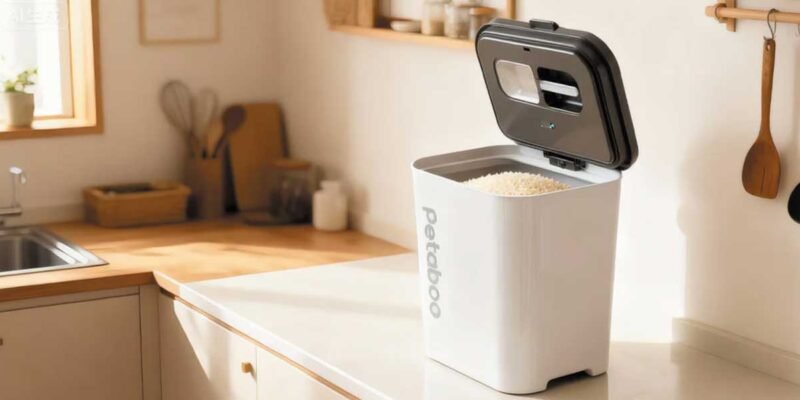
真空保存容器 work by removing excess air from the container after each use, creating a low-oxygen environment that slows oxidation. Unlike disposable packaging, these containers are designed for frequent opening and resealing, making them suitable for everyday use in kitchens and pantries.
This type of storage is particularly effective for foods that are sensitive to air and moisture. By reducing exposure to both, vacuum containers help maintain texture, flavor, and overall quality without relying on chemical preservation methods.
Storing Grains and Staples More Effectively
Staple foods such as rice and dry noodles are often purchased in large quantities and stored for extended periods. When exposed to humidity, these foods can absorb moisture, develop odors, or attract pests. Vacuum storage containers help protect grains by keeping conditions stable, even in warmer or more humid environments.
With improved storage, rice maintains its cooking quality and dry pasta remains clean and intact. This makes bulk purchasing more practical while reducing the risk of spoilage before the food is used.
Protecting Pet Food Quality at Home
Dry pet food is especially vulnerable to oxidation because it contains fats that react quickly with air. Once a bag is opened, nutritional quality and aroma can decline rapidly. Storing pet food in a vacuum container limits air exposure and helps maintain freshness between meals.
This not only supports better nutrition for pets but also helps control odors in the home. Proper storage ensures that pet food remains appealing and consistent without the need for added preservatives.
Preserving Texture in Cereals and Protein Products
Cereals, oats, and protein powders are commonly affected by moisture in the air, leading to sogginess or clumping. Once texture is lost, these foods are less enjoyable and often discarded prematurely. Vacuum storage creates a dry, stable environment that helps preserve their original consistency.
By maintaining texture and usability, these products can be consumed at their intended quality over a longer period, reducing waste and improving daily routines.
Maintaining Flavor in Coffee Beans and Snacks
Coffee beans are highly sensitive to oxygen, which causes aromas to fade soon after exposure. While freshness naturally declines over time, vacuum storage significantly slows this process, helping beans retain more of their original flavor. This allows for a more consistent coffee experience without artificial enhancements.
Snacks such as candies also benefit from reduced air exposure. Stable storage conditions help prevent surface changes and texture issues, keeping treats enjoyable for longer periods.
Keeping Seasonings and Spices Potent
Spices and seasonings gradually lose aroma when exposed to air. Frequent opening accelerates this process, especially for items that are not used daily. Vacuum storage helps preserve their intensity by limiting oxidation, allowing flavors to remain vibrant over time.
This is particularly useful for households with diverse cooking habits, where a wide range of spices may be used intermittently rather than regularly.
Reducing Food Waste Through Better Storage Habits
Food waste often results from premature quality loss rather than actual spoilage. When food stays fresh longer, it is more likely to be used as intended. Smarter storage supports better organization and visibility, making it easier to plan meals and use ingredients efficiently.
Vacuum storage containers contribute to waste reduction by extending freshness naturally, helping households make the most of what they buy.
A Simple Shift Toward Healthier Food Management
Improving storage habits does not require drastic changes or complex systems. By choosing solutions that limit air and moisture exposure, it becomes easier to protect food quality without altering the food itself. Vacuum storage containers offer a practical option that fits seamlessly into everyday life.
From grains and cereals to pet food, coffee beans, and seasonings, smarter storage supports freshness across a wide range of foods while aligning with a preservative-free lifestyle.
Conclusion: Freshness Begins With Storage Choices
Keeping food fresh longer without preservatives is largely a matter of storage, not additives. When air and moisture are controlled, food naturally maintains its quality for longer periods. Smarter storage methods, including vacuum containers, address the root causes of deterioration rather than masking them.
By focusing on how food is stored at home, households can enjoy better flavor, reduced waste, and a more natural approach to food preservation—proving that freshness truly begins with smarter storage.









Comments