
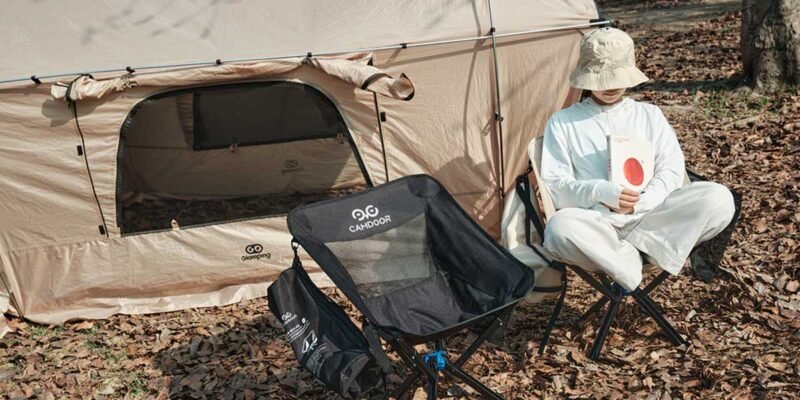
In recent years, Japan has experienced an unprecedented surge in outdoor recreation, transforming activities like camping, hiking, and mountain trekking from niche hobbies into mainstream lifestyle choices. The Japanese archipelago, with its dense forests, dramatic mountain ranges, and distinct four seasons, offers a stunning natural playground that beckons urbanites away from their neon-lit cities. This deep collective desire to reconnect with nature has fostered a highly sophisticated outdoor culture, characterized by a unique blend of practical utility, minimalist design, and meticulous craftsmanship. Japanese outdoor enthusiasts do not merely look for tools that withstand the elements; they seek out gear that complements a refined lifestyle, valuing compactness, aesthetic harmony, and multi-functional capability. Understanding the specific items that have captured the hearts of adventurers in Japan provides a fascinating window into how modern design can elevate the classic outdoor experience.
Ultra-Lightweight Compact Solo Tents
One of the most prominent shifts in the Japanese outdoor scene is the massive rise of solo camping, a phenomenon that has created an immense demand for highly specialized personal shelters. Due to the reliance on public transportation networks, such as trains and buses, to reach remote trailheads or campsites, Japanese adventurers prioritize gear that can be easily packed into a single rucksack. The ideal solo tent in Japan must strike a perfect balance between ultra-lightweight materials and robust structural integrity capable of weathering sudden mountain downpours and strong winds. These tents feature intelligent hubbed-pole systems, ripstop fabrics, and incredibly efficient footprints that allow them to be pitched on cramped terraced campgrounds or rocky alpine ridges. By offering a private, dependable sanctuary that adds minimal weight to a backpack, these compact shelters have revolutionized the way people experience independent exploration in the wilderness.
Low-Style Portable Camping Chairs
Walk into any Japanese campground, and you will immediately notice a distinct preference for a ground-hugging aesthetic known affectionately as “low-style” camping. Traditional high-clearance lawn chairs have been widely replaced by ultra-portable, low-profile 折りたたみチェア that sit just a few inches off the earth. This design philosophy stems from a cultural familiarity with floor-based living and creates a more intimate, relaxed connection with the immediate natural surroundings. These modern chairs utilize aircraft-grade aluminum frames and heavy-duty canvas or cordura fabrics, allowing them to disassemble into packages no larger than a rolled-up magazine. Beyond their incredible spatial efficiency, sitting lower to the ground keeps campers warmer by shielding them from high winds and positions them perfectly around low-lying fire pits and cooking stations, making them an absolute staple of the contemporary outdoor lifestyle.
Highly Packable Micro-LED Lanterns
As night falls over the forested valleys of Japan, traditional, bulky gas or liquid-fuel lanterns are increasingly being left behind in favor of palm-sized, rechargeable micro-LED lanterns. Space optimization is a critical factor for Japanese campers, and these tiny lighting devices pack an unbelievable amount of technological innovation into a chassis smaller than a soda can. Despite their diminutive size, they deliver exceptional brightness levels, customizable color temperatures ranging from warm ambient amber to crisp daylight white, and impressive battery longevity that can last for multiple nights on a single charge. Many of these lanterns are designed with built-in hooks, magnets, and tripod threads, allowing them to serve as a directional flashlight, an overhead tent light, or a subtle table centerpiece. This immense versatility, combined with their rugged, weather-resistant construction, has made them a universally loved item for both minimalist backpackers and luxury 車中泊キャンパー alike.
Titanium Multi-Functional Cookware
Food is an integral part of the Japanese outdoor experience, and the vessels used to prepare it are held to exceptionally high standards of material science and efficiency. Titanium cookware has achieved legendary status among local hikers and campers due to its unmatched strength-to-weight ratio and its innate resistance to corrosion. Nesting cookware sets, which include pots, pans, and bowls that slide perfectly inside one another to eliminate wasted space, are highly sought after by those who value an organized pack. Furthermore, the multi-functional nature of these pieces is highly emphasized; a single deep titanium cup often serves as a boiling pot, a coffee mug, and a soup bowl all at once. Because titanium does not impart any metallic taste to food or beverages and heats up incredibly fast, it allows outdoor chefs to prepare complex, traditional meals on lightweight backpacking stoves without hauling heavy iron or steel gear into the mountains.
Insulated Stainless-Steel Can Coolers and Tumblers
The appreciation for a perfectly temperature-controlled beverage after a long, grueling day of trekking is a universal sentiment, but it is executed with particular dedication in Japan. Double-walled, vacuum-insulated stainless-steel tumblers and dedicated can coolers have become ubiquitous items at every outdoor gathering. These sleek containers are engineered to completely lock in temperature, preventing ice from melting in the stifling humidity of summer and keeping hot stews or teas steaming during freezing winter excursions. What sets the popular choices apart in the Japanese market is their ergonomic design and durable exterior powder coatings, which provide a secure grip even when wearing heavy utility gloves. By eliminating condensation entirely and ensuring that every sip is as refreshing as the first, these insulated vessels have transitioned smoothly from rugged mountain trails to casual backyard barbecues and daily urban commutes.
Heavy-Duty Modular Storage Boxes
Transporting and organizing an extensive collection of アウトドア用品 requires a system that is both exceptionally durable and visually structured, leading to the immense popularity of heavy-duty, modular storage trunks. These rugged containers are constructed from high-impact polypropylene and feature reinforced lids that can easily support the weight of a full-grown adult, allowing them to double as sturdy camp benches or makeshift step stools. Japanese campers utilize these boxes to categorize their gear systematically—dedicating one box to cooking utensils, another to sleeping gear, and a third to lighting accessories. The flat, interlocking design of the lids allows multiple units to be stacked securely in the trunk of a compact vehicle or on shelves at home, creating a clean, uniform look that appeals directly to the cultural appreciation for tidiness, efficiency, and aesthetic order.
Summary
The thriving outdoor culture of Japan has given rise to a highly specialized market of gear that masterfully reconciles the rugged demands of nature with a sophisticated, space-conscious lifestyle. The items that enjoy the highest popularity—ranging from ultra-packable solo tents and low-profile chairs to titanium cookware and modular storage systems—all share a common DNA of exceptional versatility, minimalist beauty, and uncompromising utility. By focusing heavily on reducing weight and maximizing functionality without sacrificing comfort or durability, these outdoor products do more than just help adventurers survive in the wild; they actively enhance the quality of the journey. Whether you are navigating a dense forest trail, setting up camp beneath the shadow of Mount Fuji, or simply enjoying a weekend in a local park, adopting this thoughtful approach to gear selection ensures a seamless, deeply rewarding connection with the great outdoors.









Comments