
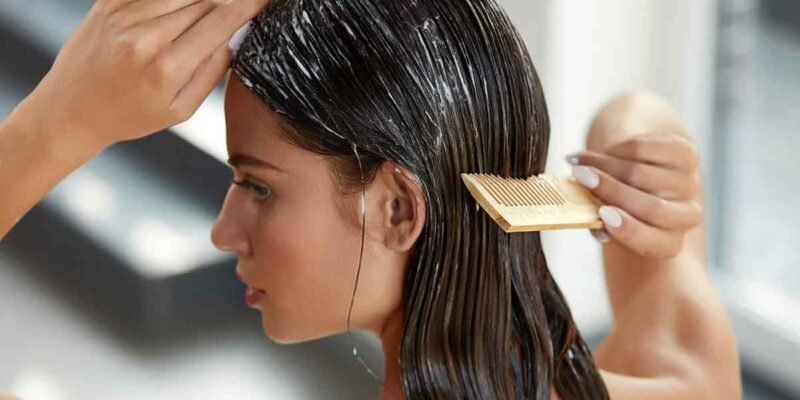
It’s something that I find myself having on repeat conversations with people who have recently taken up this new way of living. They reach out to me after a couple of weeks with a high level of stress telling me that the natural shampoo is making their hair look terrible. Every single time, I need to pull them up short and educate them as to why what they think is wrong really isn’t.
Here is why.
Your Scalp Has Been Running on a Chemical Crutch
Traditional shampoos, those with sulfates, silicones, and a blend of chemical preservatives, are extremely effective in performing one function: stripping. The foam is harsh. While you feel very clean, there is a price to pay. These shampoos strip away dirt, excessive oil, and even that essential layer of sebum that the skin has been producing throughout its life.
In response to this stripping process, your scalp produces more oil. You need to shampoo everyday as this cycle continues to repeat itself.
Then you switch to a top natural shampoo. And your scalp, bless it, has no idea what just happened.
The Adjustment Period Is Real (And Often Misunderstood)
Here’s what nobody in the marketing copy tells you: the first two to four weeks after switching can feel rough. Your scalp is still in overproduction mode. It’s secreting sebum at the rate it learned to in response to years of harsh cleansing. But now, the gentle plant-derived surfactants in your new formula aren’t stripping that oil away with brute force.
The result? Hair that feels heavier. Maybe a little greasier at the roots. Possibly some scalp sensitivity as old buildup shifts.
This is called the transition period, and it’s the single biggest reason people abandon a natural shampoo before it can actually work.
What’s happening at the follicle level:
- Sebaceous glands recalibrateoil production gradually; it slows once the stripping signal stops
- The scalp microbiome rebalancessynthetic antimicrobial agents had been disrupting your natural bacterial ecosystem; now it restores itself
- pH levels normalize;conventional shampoos are often too alkaline for the scalp’s ideal slightly acidic environment (around 4.5–5.5); natural formulas tend to respect that range
Give it six weeks minimum. That’s my honest recommendation.
What “Clean” Actually Feels Like Without Sulfates
This is where things get interesting. Once you’re through the adjustment window, the tactile experience of your hair and scalp genuinely changes, not in a vague, wellness-marketing way, but in a specific, noticeable way.
No more dry feeling in your hair. Your hair ends stop being covered in the silicon contained in your shampoo that was concealing damaged hair. For some individuals, it can be eye-opening; for others, it can be a wake-up call.
Your scalp feels looser after being washed. Loosely responsive. If you have struggled with flakes and an itchy scalp before, switching over can make a big difference. It may sound magical, but the reason is simple: you’re no longer aggravating your scalp anymore.
Conventional vs. Natural what the scalp actually experiences:
| Factor | Conventional Shampoo | Natural Shampoo |
| Cleansing mechanism | Harsh sulfates strip oil aggressively | Gentle plant surfactants cleanse without over-stripping |
| Scalp pH | Often alkaline (disrupts barrier) | Typically pH-balanced (4.5–5.5) |
| Sebum production | Triggers over production cycle | Gradually normalizes oil output |
| Microbiome impact | Antimicrobials disrupt flora | Supports natural microbial balance |
| Wash frequency needed | Daily or every other day | Every 2–3 days once adjusted |
The Fragrance Tells You Something Too
I’ll add one thing that most people overlook: scent. Conventional shampoos are often loaded with synthetic musks and masking fragrance ingredients designed to make the product smell like “clean” rather than smell like what it actually contains. That sharp chemical brightness that fades within an hour of washing? That’s fragrance engineering, not ingredient quality.
A well-formulated natural shampoo smells like its botanicals. The soft green note of rosemary extract. The faint sweetness of oat. These are low-intensity, real-ingredient aromas, and they behave differently on your hair because they’re not sitting on top of a silicone film.
Conclusion
Because it finally can. It’s not buffered behind a layer of synthetic coating. Not overproducing to compensate for daily assault. Not fighting to maintain a pH balance while being doused in alkaline foam.
The switch to a natural shampoo isn’t a trend. It’s a recalibration, and the “weird” phase in the middle is the most honest signal your scalp has sent you in years. Pay attention to it. It means something is actually changing.











Comments